

Purchasing guide
A spare-parts request that is easier to quote
Separate the item, identification and delivery details so that each line can be checked without guessing.
Read the guide →Practical reading for preparing a list, identifying a component and planning the handoff.
Separate the item, identification and delivery details so that each line can be checked without guessing.
Read the guide →
Use the identification information that fits the item. Not every request needs an engine nameplate.
Read the guide →
Group the work without losing the details: units, substitutions, partial quantities and delivery preferences.
Read the guide →
A useful inspection request says what to check and what evidence to return—not just “send photos”.
Read the guide →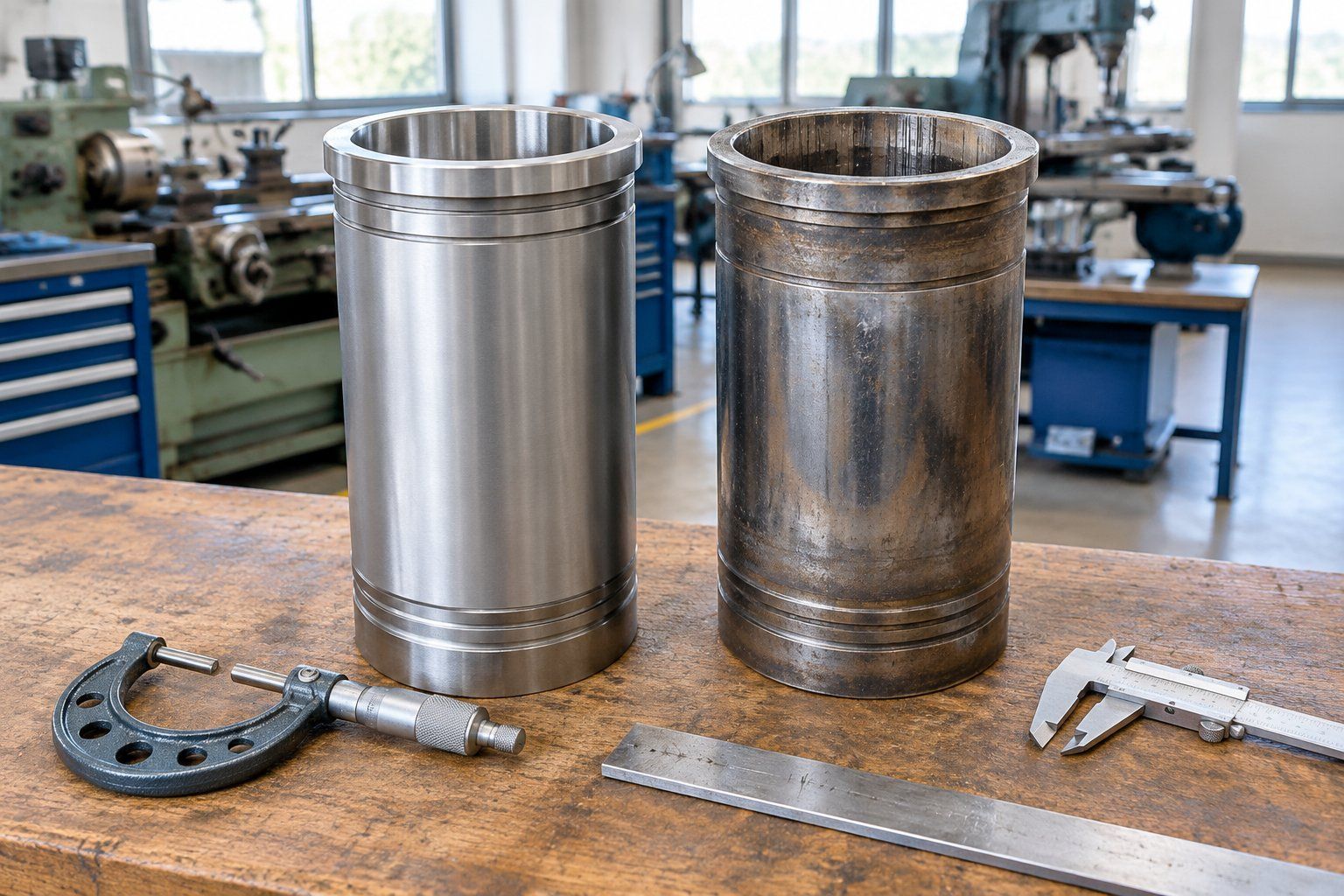
Look at what is included, how the item is identified and which commercial details remain open.
Read the guide →
The receiving contact, cargo details and time window help turn a destination into an actionable request.
Read the guide →A clear handoff from request to delivery.
Share the item name, maker and model, part number or standard specification, together with any photos, drawings and quantities you already have. Incomplete information is still useful; we will identify what needs to be added.
We review the sourcing scope and fit requirements first, then confirm offered condition, available documents, expected lead time and shipping method. Unconfirmed details are not presented as firm commitments.
Depending on the part and its use, we agree in advance which dimensions, materials, markings, photos or test records are required, together with the packing requirements.
With the destination port, receiving party, vessel schedule and required date in view, we confirm the export documents, route and delivery milestones so receiving can be arranged.
A part number, specification, photo or drawing is a useful starting point.